Skip to content
Center for the study of new testament manuscripts Logo

The Center for the Study of New Testament Manuscripts

  • Who We Are
    • STAFF
    • Leadership
    • Contact
    • CSNTM Blog
  • What we do
    • DIGITIZING
    • Archiving/post-production
    • CSNTM Internship
    • Past Projects
    • TRAINING
  • RESOURCES
    • Manuscripts 101
    • Products
    • FAQ
    • Links
  • Get Connected
    • EVENTS
    • Newsletter
  • Join the Mission
    • One-time donation
    • Donate monthly
    • Employer Matching
    • Donate Stocks
    • Donate from DAF
  • Digital Collections
  • Donate

Category: Manuscripts

Any content regarding manuscripts, especially where a manuscript or manuscripts are the primary subject matter

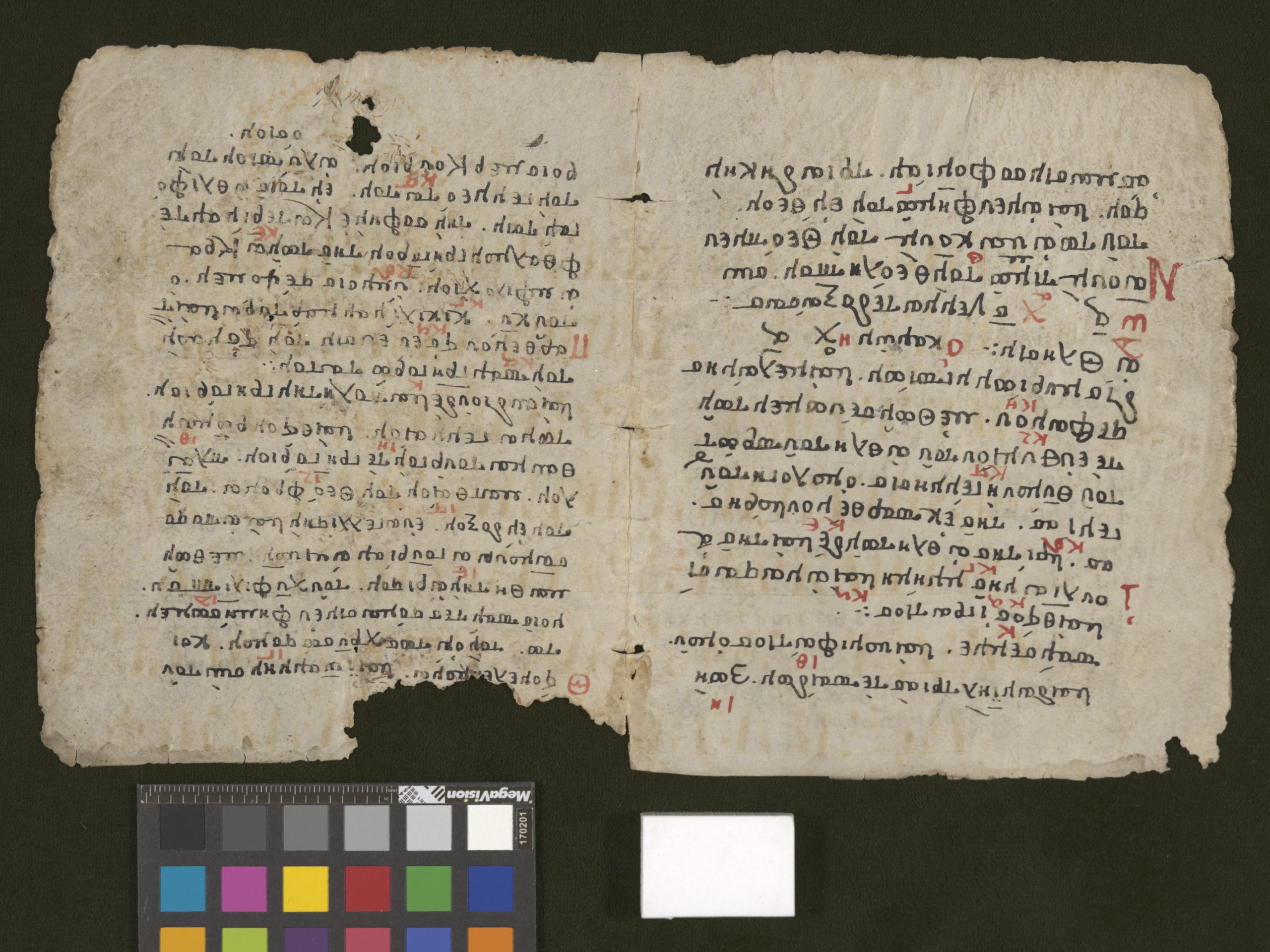
Understanding MSI Images

By Jacob W. Peterson and Leigh Ann Thompson This May CSNTM has had the opportunity to attend a digital archiving conference in Portugal and digitize in Germany. The images captured duringContinue reading Understanding MSI Images →
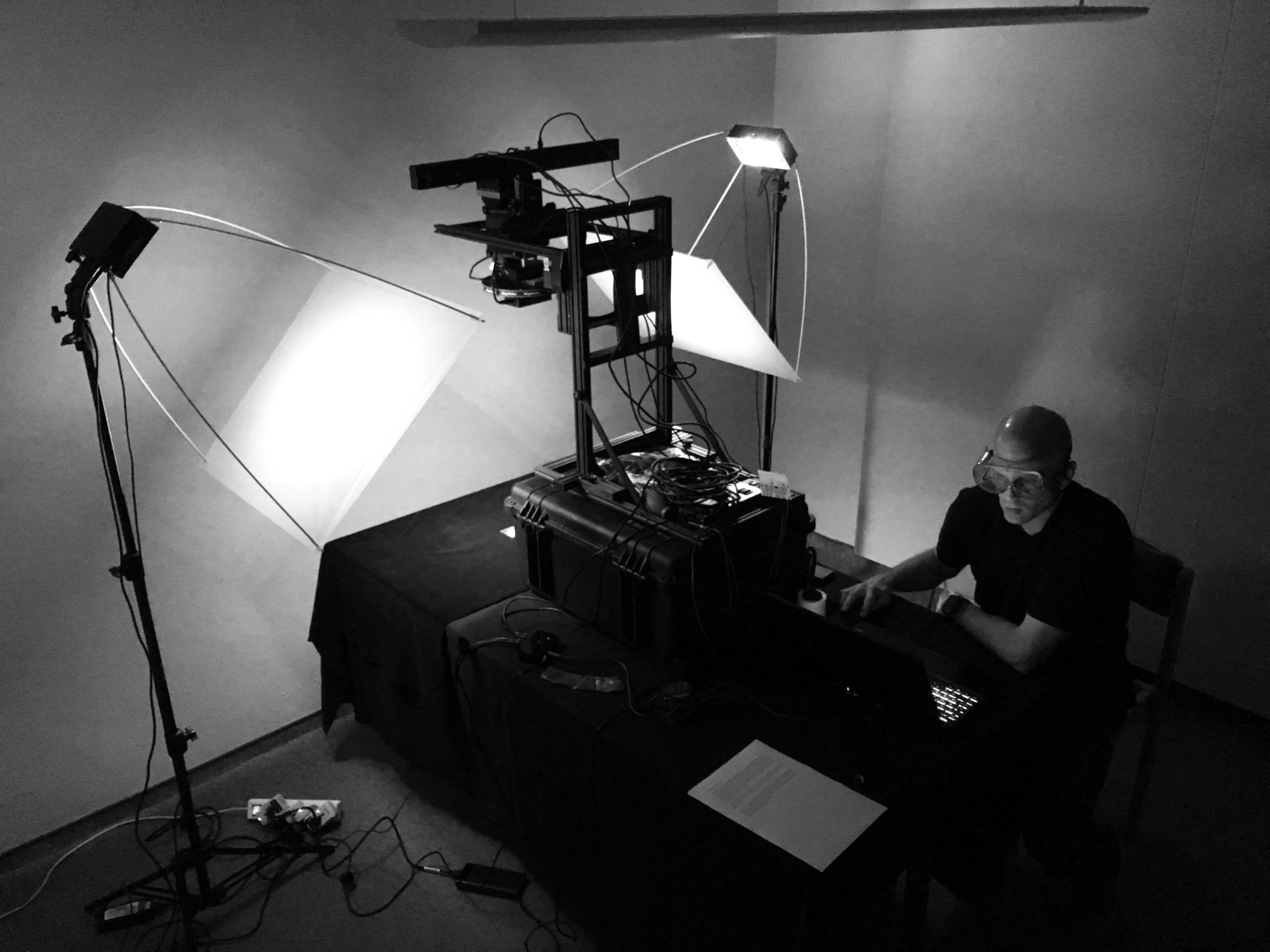
Digitization of 0197

By: Stratton L. Ladewig, PhD Nestled in the beautiful countryside of Germany is the Erzabtei St. Martin zu Beuron, where a wonderful ninth-century palimpsest manuscript is housed. A palimpsest manuscript is oneContinue reading Digitization of 0197 →

New Manuscripts Added to Our Digital Collection

We are excited to give you access to images of five manuscripts digitized during our spring expeditions. This past February and March CSNTM digitized at the Dunham Bible Museum at HoustonContinue reading New Manuscripts Added to Our Digital Collection →

Every Greek New Testament Manuscript in Texas Digitized: Houston Baptist University Digitization

By: Stratton L. Ladewig  In February, CSNTM traveled south 250 miles to Houston Baptist University’s Dunham Bible Museum (Houston, TX) in order to digitally preserve their three Greek New Testament manuscripts. GregoryContinue reading Every Greek New Testament Manuscript in Texas Digitized: Houston Baptist University Digitization →
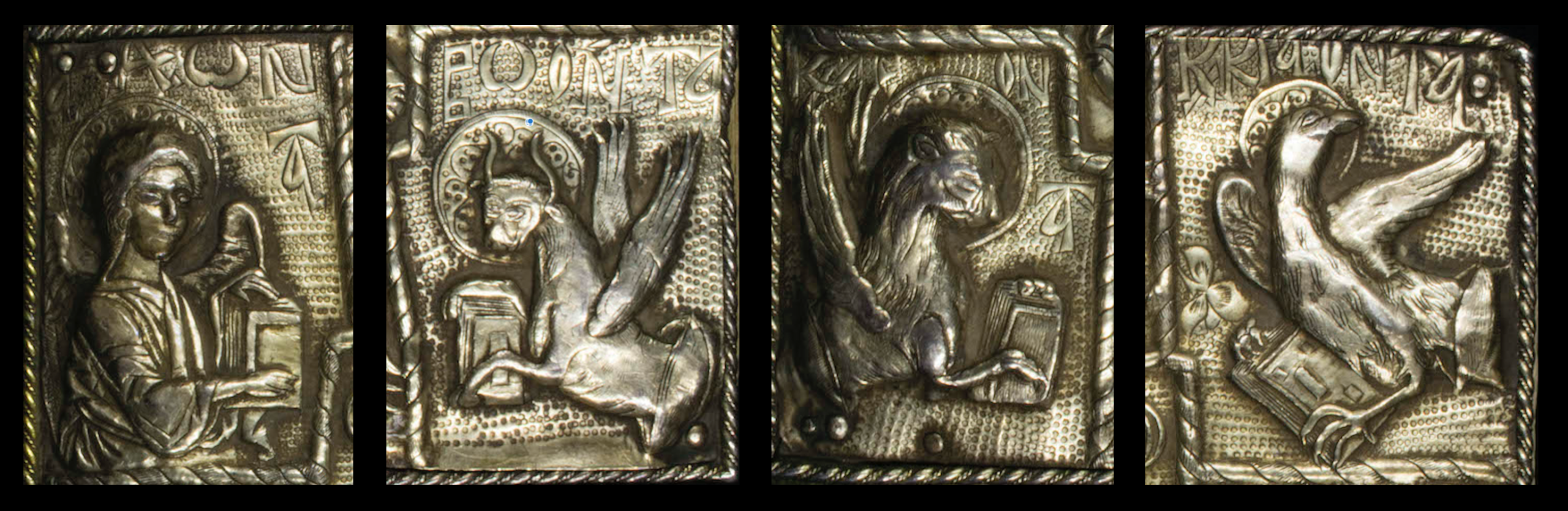
From the Library: Lectionary 1807

By Andrew K. Bobo and Andrew J. Patton Every year, thousands of tourists travel across the globe to view great works of art and architecture from history. Though they mayContinue reading From the Library: Lectionary 1807 →

Manuscripts Digitized at Southern Methodist University

By: Jacob W. Peterson CSNTM rarely revisits a location where it has already digitized, but sometimes previously unforeseen factors make it an easy decision. Back in 2010, CSNTM traveled the whole fifteenContinue reading Manuscripts Digitized at Southern Methodist University →

From the Library: Luke’s Genealogy in NT Manuscripts

By: Andrew K. Bobo and Andrew J. Patton The Center for the Study of New Testament Manuscripts’ (CSNTM) digital library contains hundreds of Greek NT manuscripts, each with its own story toContinue reading From the Library: Luke’s Genealogy in NT Manuscripts →

Posts navigation

Newer posts
Donor Login

Who we are

  • Staff
  • Leadership
  • Contact
  • CSNTM Blog

What we do

  • Digitizing
  • Archiving/post-production
  • CSNTM Internship
  • Past Projects

Resources

  • Manuscripts 101
  • Products
  • FAQ
  • Links

Digital Collections

  • Manuscripts
  • Printed Books

Get Connected

  • Newsletter
  • Contact

Join the mission

  • One-time donation
  • Join the Scribal Fellowship
  • Employer Donation Matching
  • Donate Stocks
  • Donate from DAF

Events

2001 W. Plano Parkway STE 2450 Plano, TX 75075 USA

Privacy Policy | Terms of Use & Copyright
© 2021, Center for the Study of New Testament Manuscripts

but is now incomplete: leaves are missing at the beginning of Genesis and some of the Psalms; document breaks off at Hebrews 9.13, thus lacking the Pastorals, Philemon, and Revelation. Some of the missing content was supplemented in the fifteenth-century by scribe ?????? ???????????. Possibly of Alexandrian origin, Codex Vaticanus belonged to the famous Cardinal Basilius Bessarion (1400–1472), Latin Patriarch of Constantinople. Shortly after Bessarion’s death, the manuscript appears in the catalog of the Vatican Library in 1475. In 1797, it was taken to Paris, then returned to the Vatican after Napoleon’s fall in 1815.

has eighteen leaves with text from 1 Peter 1:1–5:14, and 2 Peter 1:1–3:18. Another part is housed at the Martin Bodmer Foundation and has four leaves with the epistle of Jude. Before being separated, the two parts were bound with other papyrus gatherings in one codex known as the “Composite” or “Miscellaneous” codex. Besides the New Testament content, this “Miscellaneous Codex” contained various non-canonical documents, such as the Protoevangelium of James, the pseudo-Pauline letter of 3 Corinthians, the 11th Ode of Solomon, Peri Pascha by Melito of Sardis, and a hymn. The document was part of a finding of papyrus manuscripts in the 1950s in the proximity of Dishna between Nag Hammadi and Dendera, Egypt.

one leaf is housed at the Chester Beatty Museum in Dublin (Ireland), and other leaves are housed at the Institut für Altertumskunde in Cologne (Germany). P66 is an early manuscript that omits John 7:53–8:11, or the passage of the woman caught in adultery (a.k.a. PA). P66 is part of the cache of papyrus manuscripts found in the region of Dishna, Egypt, in the 1950s.


This is the only known Greek manuscript in which Ephesians precedes Galatians. P45 and P46 are rather significant because they indicate that already in the third century and at least in some locations, some New Testament writings were compiled into one book. In the case of P45, a fourfold Gospel collection circulated as a single book with Acts. P46 attests to the existence of a Pauline collection. Finally, P47 is one of the oldest manuscripts of Revelation with only ten leaves. In Revelation 13:18, P47 transmits “666” (???) as the “number of the beast.” CSNTM photographed the images of the three manuscripts and produced this facsimile in partnership with the holding institutions and the publisher, Hendrickson.


Loading Comments...
 

    Donate