New findings from our Oslo expedition using multispectral imaging to examine the authenticity of 31 fragments
The CSNTM research team, in collaboration with the Oslo Cathedral School Rare Book & Manuscript Library, has utilized multispectral imaging technology to capture unprecedented digital data of manuscripts among Martin Schøyen’s Dead Sea Scroll collection. These digital findings both confirm and refute claims within foremost Dead Sea Scroll scholarship regarding the authenticity of the fragments and provide significant insight for further research.

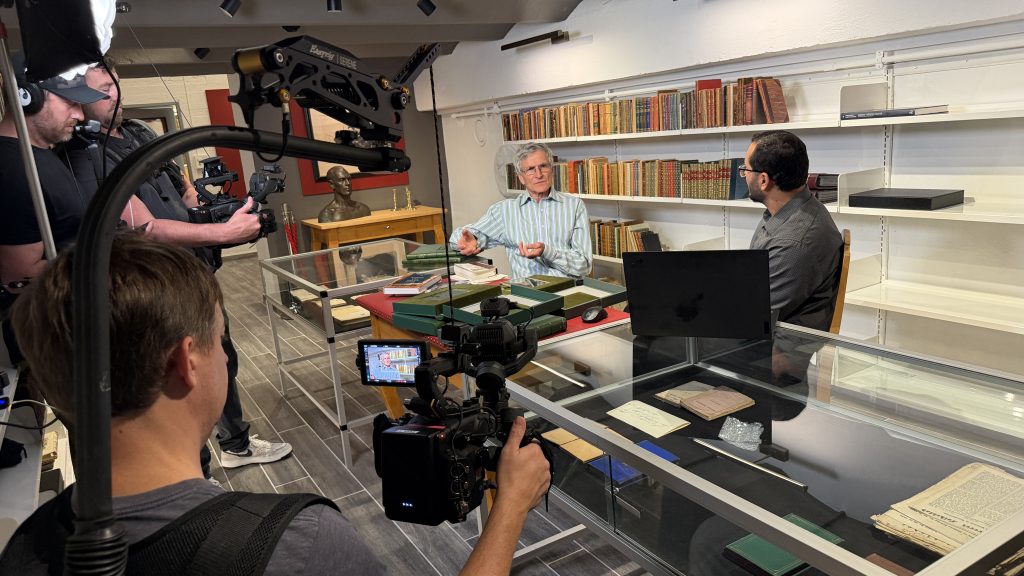
This September, our team was invited to digitally preserve dozens of biblical artifacts from the renowned Schøyen collection, including Septuagint, Coptic, patristic literature, and Aramaic materials. Of particular interest among the collection were 31 fragments purported to be Dead Sea Scroll artifacts.
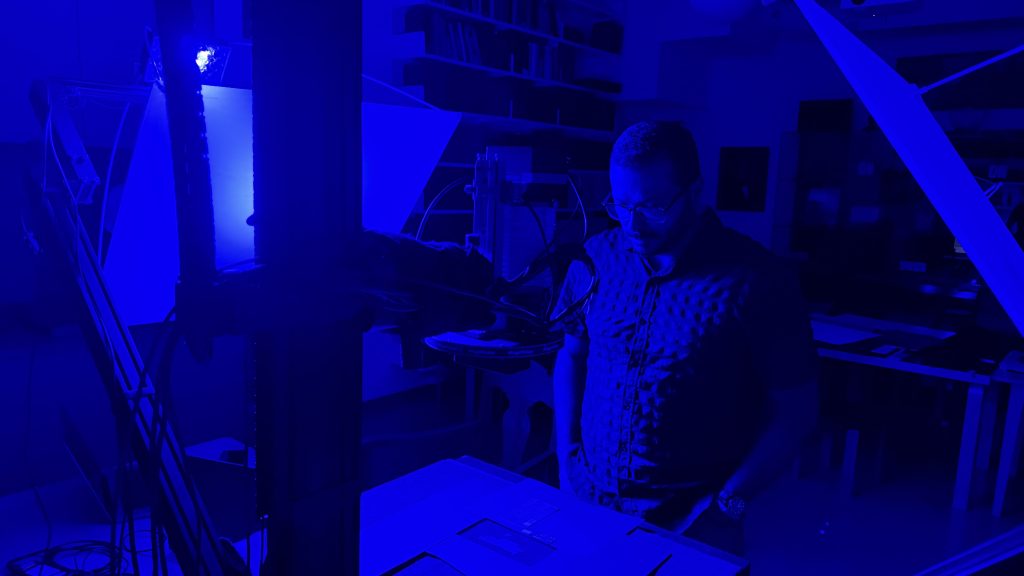
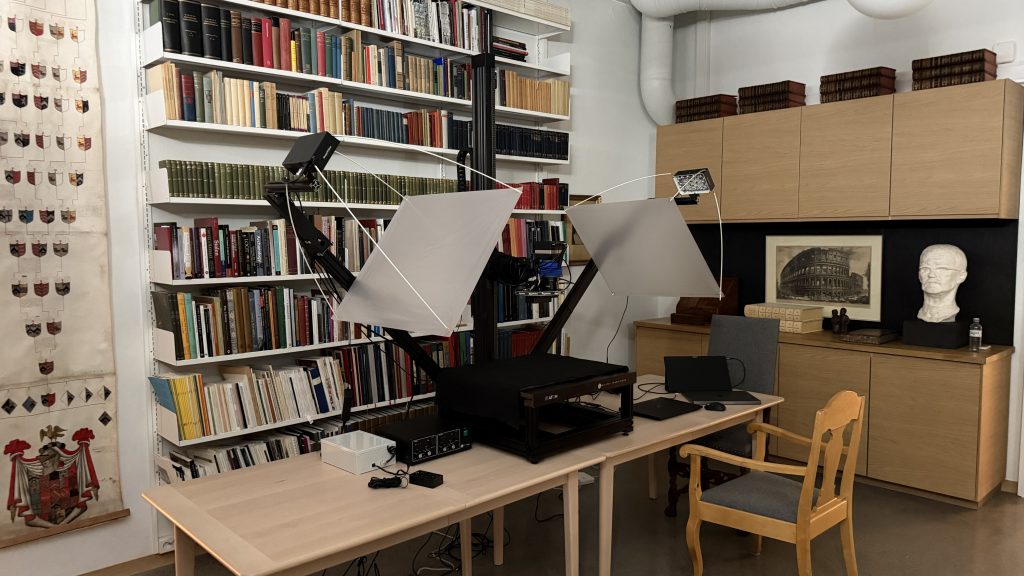
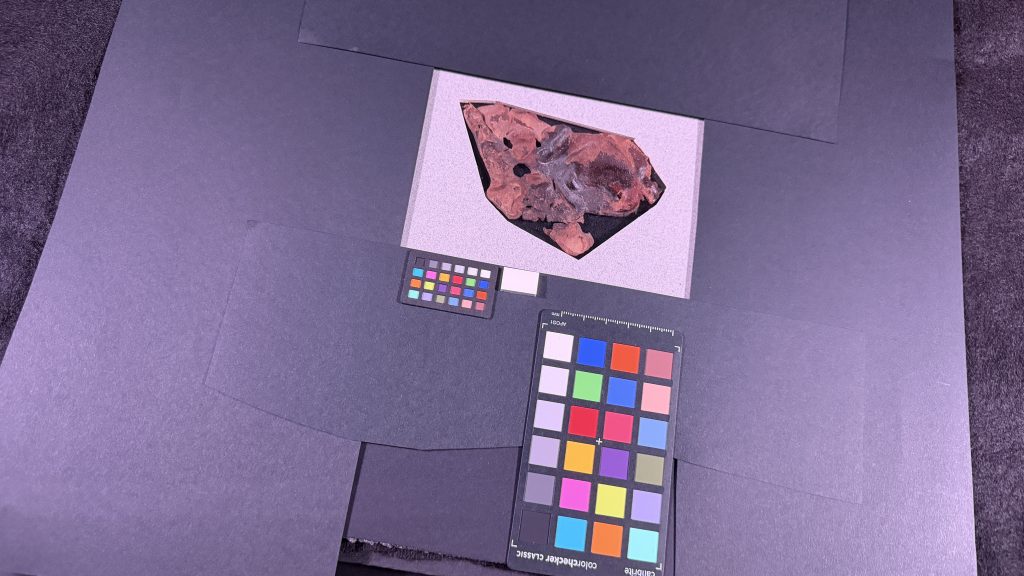
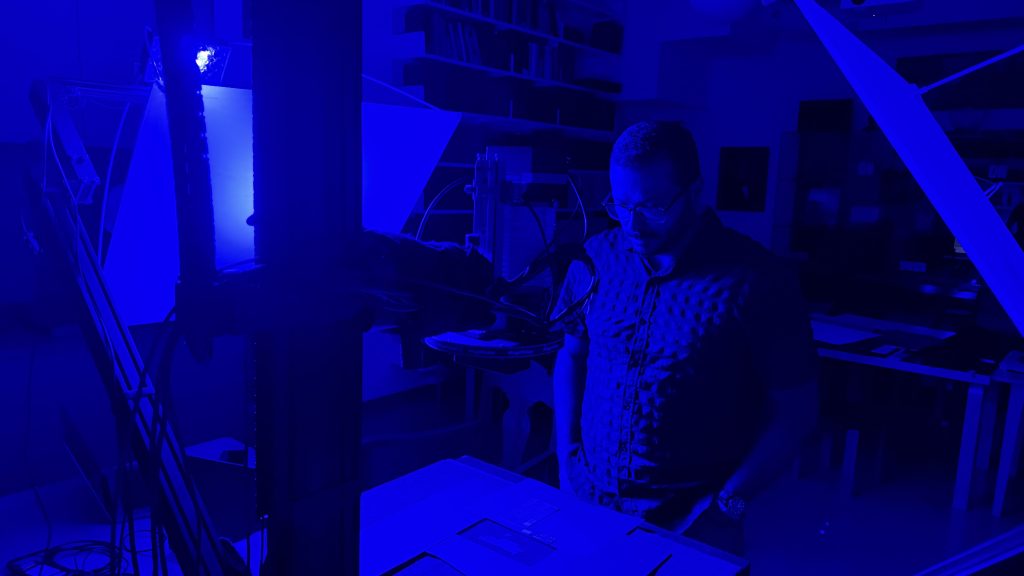
Given the significance of the 31 artifacts, we applied state-of-the-art multispectral imaging technology to each fragment, capturing detailed image data under multiple wavelengths of light. When applied, this technology revealed features invisible to the naked eye, including faded ink and material properties that offer valuable insight into the documents’ authenticity.
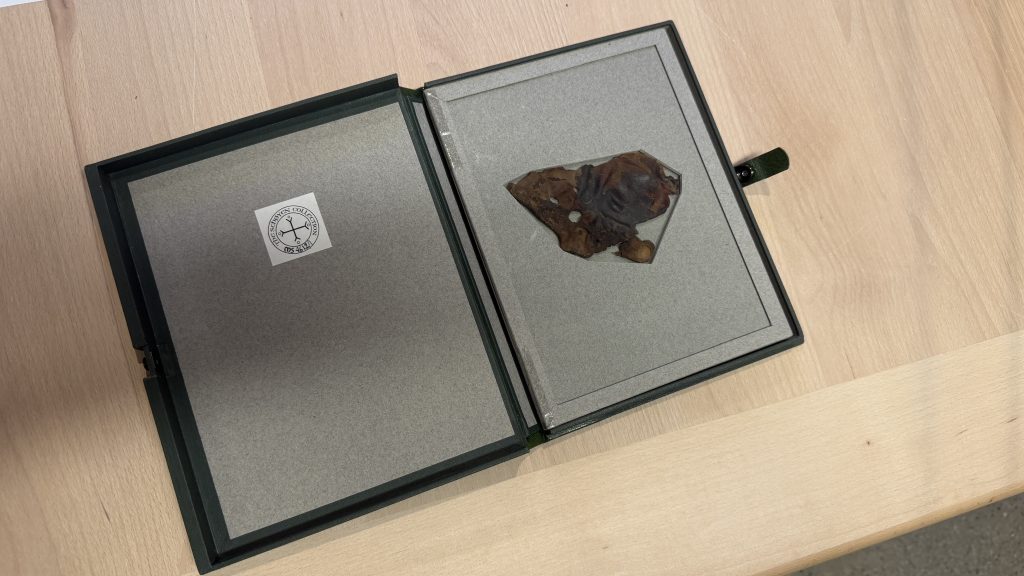
One notable finding involved MS 4612-1, a purported Dead Sea Scroll fragment containing Joel 4:1-5, that was supposedly discovered among the Qumran caves and dated to 30 BCE – 68 CE. While recent scholarship remains uncertain about the artifact’s authenticity, CSNTM’s use of multispectral imaging revealed text that was mostly invisible to the naked eye. Interestingly, they noted that some of the ink seems to be inconsistent with the wear of the leather medium and appeared to have been written over the worn out material, though further analysis is necessary to draw firmer conclusions.

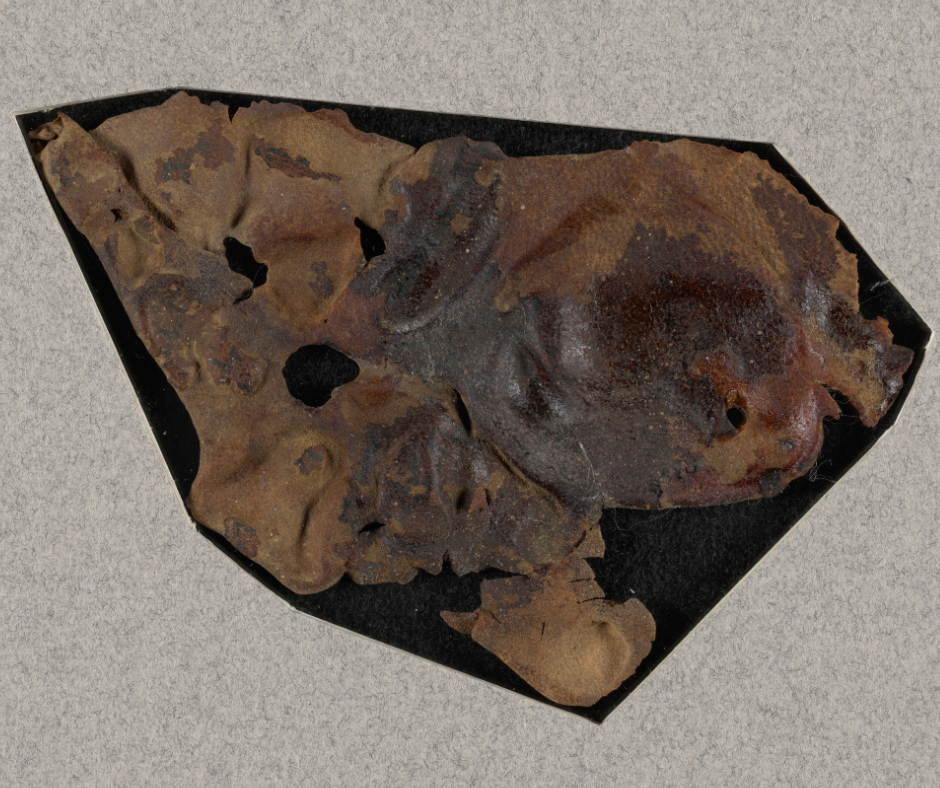
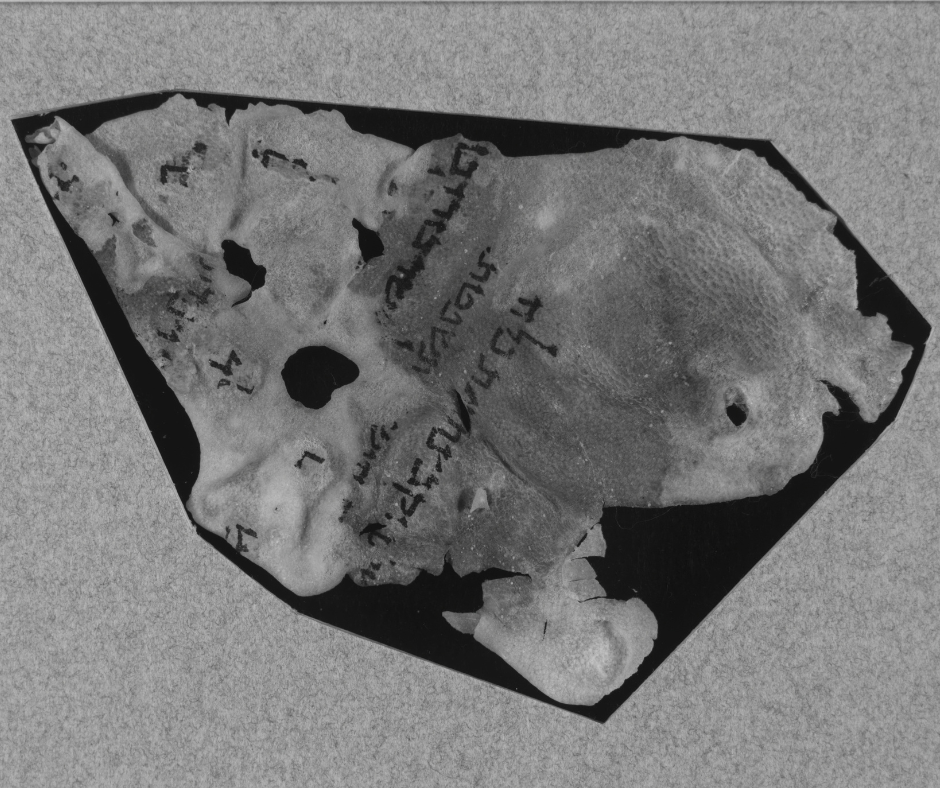
Dead Sea Scroll scholar Årstein Justnes of the University of Agder commented that CSNTM’s findings regarding MS 4612-1 “could have major implications for Dead Sea Scrolls research,” revealing the artifact to be potentially “the first known example of a Dead Sea Scroll forgery that predates 2002″ – the year numerous fragments purported to be Dead Sea Scrolls surfaced in the market and were acquired by collectors around the world. This second cache of Dead Sea Scroll fragments is now understood to consist primarily of inauthentic documents.
Although the majority of fragments in Schøyen’s Dead Sea Scroll collection appear to be modern forgeries, multispectral imaging technology has captured details that support the hypothesis that some of the Schøyen fragments are authentic.

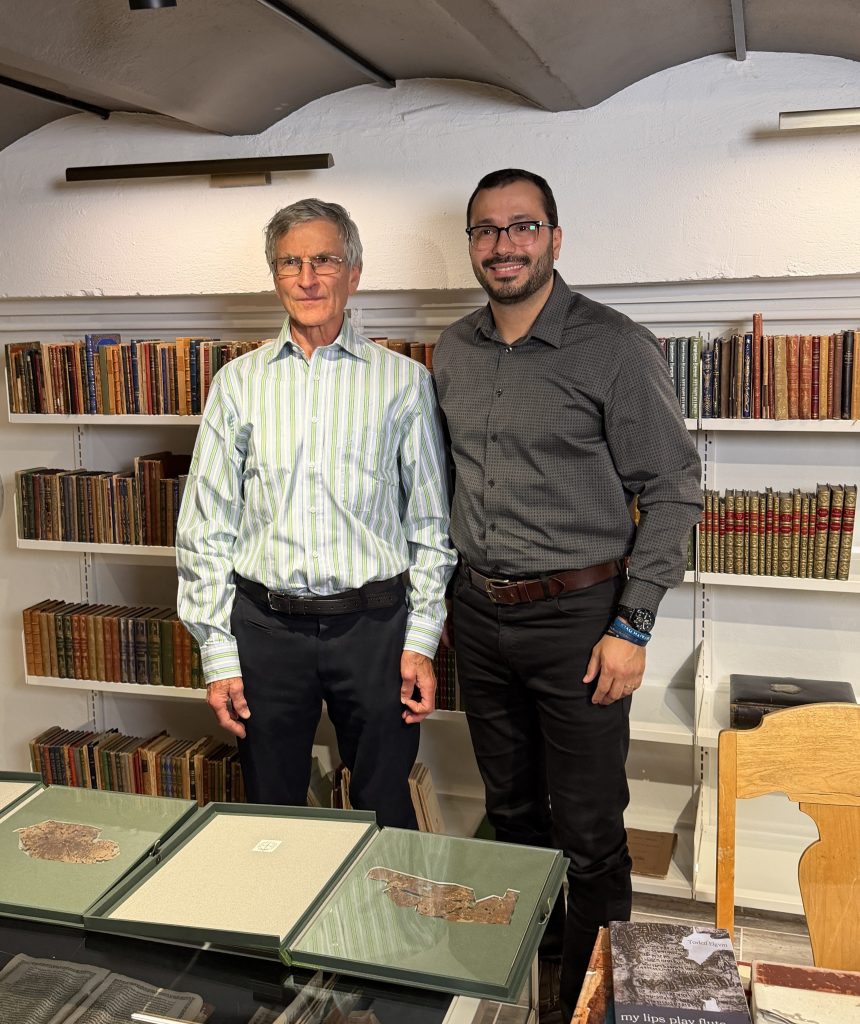
To further substantiate CSNTM’s findings, renowned Dead Sea Scroll scholar Torleif Elgvin, Professor Emeritus of Biblical and Jewish Studies at NLA University College in Oslo, joined the research team to provide his expertise in assessing the documents’ authenticity. CSNTM Assistant Executive Director and Lead Research Fellow Denis Salgado said Elgvin’s insights “lent even more credibility to our work” and proved both “reassuring and informative.” Together, they analyzed some images, which showed that several fragments contain the physical characteristics of genuine fragments produced in the first century CE.
Following the project’s completion, Salgado emphasized that while CSNTM’s multispectral imaging does not provide conclusive evidence regarding the authenticity of the Schøyen Collection’s Dead Sea Scroll fragments, the data “affirms some theories and challenges other assumptions” within Dead Sea Scroll scholarship, contributing valuable new data to the ongoing scholarly conversation.
See more images from the project below, and explore our behind-the-scenes content here.